Lambeth Council rules for flowers at public events
Posted on 03/10/2026
Lambeth Council Rules for Flowers at Public Events: A Practical Guide for Planning, Display and Compliance
Planning flowers for a public event in Lambeth sounds simple enough until the details start stacking up. Where will the arrangements sit? Will they block access? Are you decorating a community hall, a street gathering, a memorial, or a civic reception? And, crucially, what do the Lambeth Council rules for flowers at public events actually mean in practice?
Truth be told, most event problems with flowers are not about the flowers themselves. They come from placement, safety, access, waste, timings, and whether the display fits the venue or the council's expectations. This guide breaks that down in plain English so you can plan sensibly, avoid awkward last-minute changes, and choose arrangements that look good without causing headaches.
If you are organising a formal function, a remembrance gathering, a community celebration, or a corporate event in South London, you will find the useful bits here: what to check, what to avoid, and how to make flowers work with the event rather than against it. We also cover practical options, compliance-minded thinking, and a checklist you can actually use on the day. Nice and simple. Well, as simple as public events ever are.
Why Lambeth Council rules for flowers at public events Matters
Flowers at a public event do more than decorate a space. They change how people move, where they look, and how a venue feels the moment guests walk in. In Lambeth, that matters because public events often take place in busy, shared, or sensitive spaces where access and safety come first. A beautiful floral arch is lovely; a beautiful floral arch sitting across an exit route is not.
Understanding the Lambeth Council rules for flowers at public events matters because it helps you avoid the kind of small issue that can turn into a real disruption. A display may be too tall for a doorway, too wide for a pavement frontage, too fragrant for a memorial setting, or too fragile for a windy outdoor spot. Sometimes the issue is not official enforcement at all, but practical venue management. Either way, the outcome is the same: you end up making changes under pressure.
There is also a public-facing consideration. Council-led or council-adjacent events often carry a duty to keep things accessible, safe, and respectful for everyone attending. That means flower arrangements should usually support the event's purpose, not distract from it. A remembrance ceremony, for example, will often benefit from restrained, dignified arrangements; a celebratory launch may welcome brighter and larger pieces. The context is everything.
Expert summary: The safest approach is to treat flowers as part of event infrastructure, not just decoration. Check access, placement, timing, and cleanup early, and you will avoid most of the common problems before they start.
In our experience, the best events are the ones where the floral plan feels almost invisible in a good way. Guests notice the atmosphere, not the logistics. That takes a little planning, but not a heroic amount. Just enough thought to keep the flowers elegant, compliant, and out of the way of the practical bits.
How Lambeth Council rules for flowers at public events Works
There is rarely a single public document that tells you every rule for every flower at every event. More often, you are working with a mix of council expectations, venue rules, event permits, health and safety principles, and common-sense venue management. So how does it work in real life? You start by identifying who controls the space and what kind of event you are running.
If the event is on land or in a venue managed by Lambeth Council, the organiser may need to check conditions attached to the booking or event approval. Those conditions can affect how decorations are installed, whether anything can be fixed to walls or railings, how waste should be removed, and where items can be placed. If you are in a public street or open area, access and obstruction issues become even more important.
Flowers are usually considered in the same family as other event decor: banners, table dressing, stage dressing, and temporary installations. That means the practical questions are similar:
- Will the flowers block sightlines, signs, doors, ramps, or fire exits?
- Could the arrangement tip, spill water, or create a slip hazard?
- Is the display secured properly for indoor or outdoor conditions?
- Does the event involve children, elderly guests, or high footfall?
- Will the flowers interfere with seating, photography, or ceremony flow?
For many events, the answer is not a hard yes or no. It is more like: "Yes, but only if placed here and kept low," or "Yes, but not on the main access route," or "Yes, provided the organiser removes it promptly after the event." That's normal. Public events are full of trade-offs.
There is also a timing element. Delivering flowers too early can leave them wilting in the wrong temperature or sitting in the wrong place for too long. Delivering them too late is, of course, the classic nightmare. If the event is weather-sensitive or tightly scheduled, a same-day flower delivery option in Lambeth SW9 can be useful, but only if the venue has confirmed access and someone can receive the order.
One small detail people forget: water. A lot of arrangements come with containers, foam, or vases, and these can be awkward on polished floors, marquees, or historic surfaces. If you are working in a formal setting, ask whether drip trays, weighted bases, or lower-profile arrangements are preferred. Little things, but they matter.
Key Benefits and Practical Advantages
When flowers are planned well, they do more than "look nice". They help shape the atmosphere of the event, guide attention, and create a sense of care. That can be especially helpful in community events, civic ceremonies, weddings, remembrance gatherings, and branded functions where the space needs to feel considered rather than improvised.
Here are the biggest practical advantages of following Lambeth Council rules for flowers at public events carefully:
- Fewer last-minute changes: You reduce the risk of being told to move or remove displays on the day.
- Safer movement for guests: Clear routes and visible exits stay clear.
- Better event flow: Floral pieces support the layout rather than interrupt it.
- More polished presentation: Thoughtful placement makes the event look professionally managed.
- Less waste: A clear plan helps you order the right quantity and style.
- Better venue relationships: Staff appreciate organisers who have clearly thought things through.
There is a commercial side too, if you are arranging flowers as part of an event budget. Choosing the right style first time saves money. A compact display that suits the venue is usually a better investment than a large arrangement that has to be moved, split, or partially wasted. And let's face it, nobody wants to pay twice for the same bunch of hydrangeas because they were too tall for the refreshment table.
For events with repeat needs, such as regular corporate functions or seasonal civic events, it also makes planning easier to establish a dependable floral format. You can reuse your size guidelines, colour preferences, and delivery timing. That consistency is underrated.
Who This Is For and When It Makes Sense
This guidance is useful for a broad range of organisers, not just formal event managers. If you are working in Lambeth and planning any public-facing gathering, you will probably need to think about flowers in a structured way.
You may need this if you are:
- organising a community celebration or local festival
- planning a council venue booking or civic event
- managing a remembrance or memorial gathering
- arranging flowers for a school, church, mosque, temple, or community hall event
- coordinating a wedding reception in a public or semi-public space
- running a corporate launch, open day, or reception
- supplying floral decor on behalf of a charity, venue, or event agency
It also makes sense if you are simply the person everyone suddenly looks at when the flowers need sorting. You know the moment. The email says "Could we just add a few arrangements?" and then, somehow, you are the one dealing with delivery times, table dimensions, and a possible wind issue. Brilliant.
Flowers are especially relevant when the event has one of these characteristics:
- Public access: Anyone can attend or walk through the space.
- Formal protocol: The event has a set order, seating plan, or ceremonial element.
- High foot traffic: Guests are moving in and out continuously.
- Outdoor exposure: Weather may affect arrangements and placement.
- Accessibility needs: The venue must remain easy to use for disabled guests and mobility aids.
If your event is informal and held in a small private room, you may need only a light touch. If the event is public, larger, or officiated, the floral plan deserves more attention. That simple distinction saves a lot of stress.
Step-by-Step Guidance
Here is a straightforward way to handle flowers for a public event in Lambeth without overcomplicating things.
1. Confirm who controls the space
Start with the venue, site manager, or event contact. You need to know whether Lambeth Council, a venue operator, a landlord, or another organiser controls the area. This affects what you can place, where you can place it, and what approvals are needed.
2. Define the event type and tone
A celebratory launch, formal reception, civic ceremony, and remembrance gathering each call for different floral choices. Bright mixed colours may suit one event; white, soft pastels, or restrained designs may suit another. If the event has a solemn tone, over-styled arrangements can feel out of place. Gentle restraint often works best.
3. Map the layout before ordering
Look at entrances, exits, seating, speaker positions, stage areas, catering points, and photo spots. Then ask where flowers help, where they distract, and where they could become a problem. This is the stage where a quick sketch on paper can save a lot of grief later.
4. Choose the right scale and format
Large pedestal arrangements, low table centres, wreaths, garlands, or basket-style designs all behave differently. Choose based on the event's movement pattern and the venue's space. For a long registration table, low arrangements are often more practical than tall ones. For a stage backdrop, you may need something compact and stable rather than sprawling.
5. Check safety and access
Make sure nothing blocks ramps, doorways, fire exits, signage, or routes for guests and staff. Check for trip hazards from stands, cable runs, water, or fallen petals. Even beautiful petals can be surprisingly slippery on the wrong surface. Tiny thing, big nuisance.
6. Confirm delivery timing
Coordinate the arrival time with venue access and set-up windows. Flowers delivered too early may need storage; flowers delivered too late can interrupt the event or arrive during guest entry. If you need a broader local option, flower delivery in Lambeth SW9 can help when timing is tight, especially for busy event days.
7. Plan installation and removal
Decide who places the flowers, who checks them, and who clears them away after the event. That last part is easy to forget. It shouldn't be. Public events often have strict finish times, and leftover arrangements can become someone else's problem very quickly.
8. Keep a spare or fallback plan
Have a smaller version of the arrangement, a few spare stems, or an alternative display ready in case access changes or the venue requests adjustments. A sensible fallback saves the day more often than people expect.
Expert Tips for Better Results
There are a few habits that consistently improve floral outcomes at public events. Nothing fancy. Just the kind of detail that separates a smooth event from an almost-good one.
- Use low, stable arrangements near traffic paths: They are easier to manage and less likely to be knocked.
- Match the flowers to the occasion: Bright and joyful for celebrations, calm and respectful for remembrance or formal civic settings.
- Ask about venue surfaces: Marble, polished timber, carpet, and outdoor paving all behave differently.
- Keep fragrance in mind: Strongly scented flowers can overwhelm small rooms or bother guests.
- Build in one buffer layer: A little extra time between delivery and opening often helps.
- Choose sturdy stems for busy events: Delicate flowers can struggle in warm rooms or drafty entrances.
One useful rule of thumb: if a display needs constant handling to stay upright, it may be too ambitious for a public event. That does not mean you need to play it safe to the point of being dull. It means being clever. Good design is practical. Always has been.
If you are ordering for a larger event, it can be sensible to use a reliable florist with local knowledge and clear communication. A florist in Lambeth SW9 will usually understand tight delivery windows, venue access, and the kind of arrangements that work in central and south London settings.
For wedding-related public events, the same thinking applies, just with more moving parts. Venue rules, timing, and guest circulation all matter. If that is your situation, it can help to look at dedicated wedding flowers in Lambeth SW9 for ideas that are designed to be both elegant and manageable.
Common Mistakes to Avoid
Most flower-related event issues are avoidable. The trouble is, they are often the kind of thing people only realise after the van has left and the room is half set up. Here are the usual culprits.
- Ordering without checking the venue rules: Never assume all decorative displays are allowed everywhere.
- Ignoring access routes: A gorgeous arrangement is still a problem if it blocks a doorway or aisle.
- Choosing the wrong height: Tall flowers can interrupt sightlines, speeches, or seated guests.
- Forgetting water and spill control: This is how flooring gets messy and staff become quietly annoyed.
- Leaving the choice too late: Popular dates fill quickly, especially around peak seasons and local event periods.
- Using too much scent: Fragrance is lovely in moderation. In a small room, not so much.
- Assuming outdoor conditions will be kind: Wind and heat can ruin delicate designs in minutes.
A common mistake we see is treating the floral order as a final-stage decoration rather than part of the event plan. That mindset causes trouble. Flowers should be checked alongside seating, accessibility, signage, and guest movement. Not after them. Not at the end. Alongside them.
Another one: forgetting that public events can involve mixed audiences. Children may grab low arrangements. Older guests may need clear edges. Photographers may need open sightlines. The best layout quietly accounts for all of that without looking over-engineered.
Tools, Resources and Recommendations
You do not need a complicated toolkit to manage flowers well, but a few simple resources make the job easier.
- Venue floor plan or site map: Essential for working out placement and access.
- Delivery schedule: Keep timings visible, especially if the event has multiple suppliers.
- Height notes: Jot down where arrangements need to stay low or where they can be taller.
- Weather check: Important for outdoor or partly covered events.
- Venue contact list: Who approves changes, who receives deliveries, who answers on the day.
- Waste plan: Know what gets taken away, what stays, and who handles it.
For flower choice and presentation, some people prefer ready-made styles that reduce decision fatigue. Browse options like all flowers, florist choice, or best sellers if you want something reliable without spending hours comparing every petal and stem. Sometimes that is the sensible move. No shame in it.
If you are planning a more formal or ceremonial event, category pages such as sympathy flowers, weddings, or corporate gifting can help you narrow your choices by event type. That makes the selection process quicker and, honestly, less exhausting.
And if you are still refining the practical side, the florist's delivery information, flower care guidance, and guarantees pages are useful places to check before placing an order. The boring pages, in other words. The boring pages that save you trouble.
Law, Compliance, Standards, or Best Practice
For public events, flowers are rarely regulated in isolation. More often, they fall under wider event management expectations: safety, accessibility, property care, and responsible use of space. If Lambeth Council is involved, the organiser should assume that the council or venue expects the setup to be safe, unobstructive, and easy to manage.
In practical terms, that usually means:
- keeping exits and access routes clear
- avoiding anything that could create a trip, spill, or fire risk
- respecting venue limitations on fixing items to surfaces
- making sure floral displays do not damage floors, walls, or furniture
- removing arrangements within the agreed timeframe
If your event is in a public or semi-public space, accessibility should be treated as a baseline rather than an optional extra. That includes enough room for wheelchair users, mobility aids, and crowd movement. A display that looks great but narrows a route too much is not a success, however pretty it is.
There is also the matter of sensitivity. Some events call for specific colours, symbols, or styles. In community settings, especially in diverse parts of London, this is worth handling with care. Ask what feels appropriate rather than assuming one style fits all. That conversation is usually short and helpful.
As best practice, keep records of:
- who approved the floral plan
- delivery times and contact names
- where the arrangements were placed
- who removed them after the event
That tiny trail of information can be useful if the same event returns next year, or if another team member has to pick it up halfway through. Happens more often than anyone likes.
Options, Methods, or Comparison Table
Different event types call for different floral methods. Here is a practical comparison to help you choose.
| Option | Best for | Strengths | Watch-outs |
|---|---|---|---|
| Low table arrangements | Receptions, dinners, registration desks | Do not block sightlines, easy to place | Can look small in large spaces if under-scaled |
| Tall statement pieces | Entrances, stages, photo areas | High impact, visually striking | May block views or exceed venue limits |
| Basket or posy arrangements | Memorials, community events, smaller rooms | Stable, approachable, easy to move | Less dramatic than larger designs |
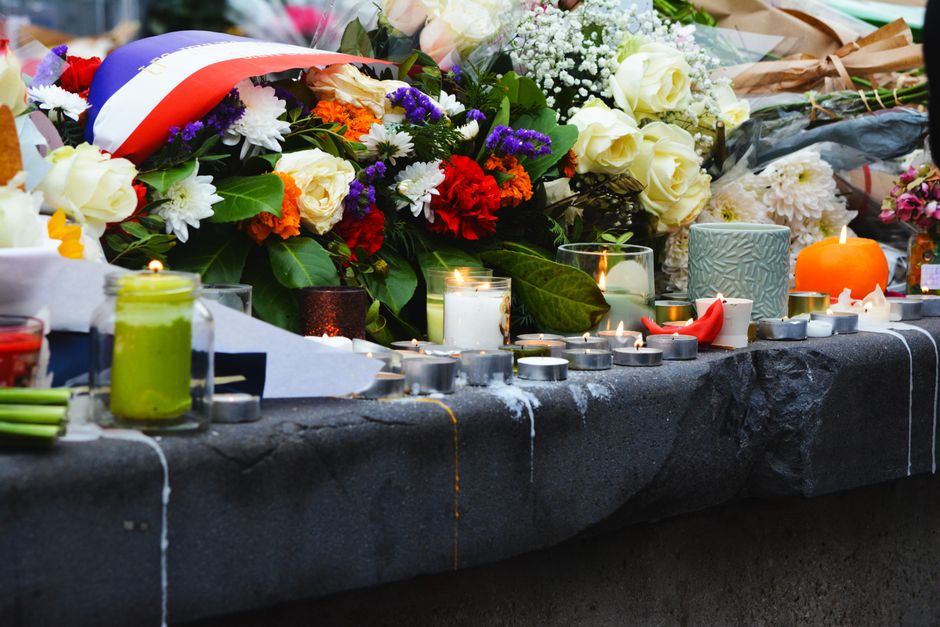
| Wreaths and tribute pieces | Remembrance and formal occasions | Dignified, symbolic, often well suited to protocol | Need correct placement and respectful handling |
| Garlands and floral runners | Tables, railings, ceremonial features | Work well for longer surfaces | Can interfere with access if overused |
If the event is highly formal, smaller but carefully chosen designs often work best. If it is celebratory and spacious, you can afford more scale. The trick is to match method to venue, not method to ambition. That sounds obvious. Yet it gets missed all the time.
Case Study or Real-World Example
Imagine a community event in Lambeth taking place in a public hall with a reception desk, rows of seating, a small stage, and a tea station at the back. The organiser wants flowers at the entrance, on the head table, and near the stage. Lovely idea. Also slightly risky if not planned properly.
In a workable version of this event, the organiser does three things early. First, they confirm the venue's access rules and ask where displays are allowed. Second, they choose low arrangements for the reception desk and stage front so sightlines stay open. Third, they use one larger statement piece by the entrance, where it can be seen without blocking movement.
The result is simple but effective. Guests arrive to a welcoming look, staff can move freely, and the stage remains clear for speeches. No one is leaning sideways to see past a giant arrangement, and the exit route stays open. The flowers are doing their job without becoming the story.
Now compare that with the less successful version. The same event orders tall arrangements for every table because they look dramatic in the brochure. Once set up, half the guests can't see across the room, the photographer has to keep shifting position, and the venue asks for two pieces to be moved because they sit too close to a fire exit. Everyone is still polite, but the mood shifts. Slightly. You can feel it in the room.
That is exactly why the Lambeth Council rules for flowers at public events need to be taken seriously even when they seem minor. The rules are not just red tape. They are the guardrails that keep the event flowing.
Practical Checklist
Use this checklist before you finalise your floral order for a public event in Lambeth.
- Have I confirmed who controls the venue or public space?
- Do I know whether any floral restrictions or placement rules apply?
- Have I checked access routes, exits, ramps, and signage?
- Do the arrangements suit the tone of the event?
- Are the flowers sized appropriately for the room or outdoor area?
- Will delivery timing fit the setup schedule?
- Do I know who will receive the order on arrival?
- Have I considered scent, water, and spill risks?
- Are the flowers suitable for indoor or outdoor conditions?
- Who will remove the arrangements after the event?
- Do I have a backup plan if the venue asks for changes?
If you can tick most of these off, you are already ahead of the game. Really ahead, compared with the usual "we'll sort it on the day" approach. And that approach, let's be honest, is how many headaches begin.
For last-minute help or a local arrangement that fits a tight event window, you may also want to browse best flower delivery in Lambeth SW9 or next day flower delivery in Lambeth SW9 if timing is the main concern.
Conclusion
Flowers can transform a public event, but only when they are planned with the venue, the audience, and the practical realities in mind. The Lambeth Council rules for flowers at public events are best understood as a mixture of safety, access, respect for shared space, and sensible event management. If you keep those ideas front and centre, your arrangements are far more likely to be welcomed than questioned.
The main lesson is straightforward: check the space, match the style to the occasion, confirm delivery and removal, and never assume a beautiful arrangement will automatically be a suitable one. A little planning goes a long way. Often further than people expect.
And if you are working against the clock, that happens, the most important thing is not perfection. It is a calm, workable setup that lets the event breathe. That is usually what people remember anyway-the sense that everything felt right, from the first look at the flowers to the last guest leaving in the evening air.
Get a free quote today and see how much you can save.
Frequently Asked Questions
What are Lambeth Council rules for flowers at public events?
They are usually the practical expectations that apply to flower displays in council-managed or public event spaces, covering safety, access, placement, and removal. The exact requirements depend on the venue and type of event.
Do I need permission to place flowers at a public event in Lambeth?
In many cases, yes, at least in the sense that the venue or organiser should approve the plan. If the event is on council land or in a managed venue, check before you order anything.
Can flowers block walkways or entrances if they look decorative?
No, they should not. Even attractive arrangements can be a problem if they block access routes, exits, ramps, or visibility. Safety and movement come first.
Are there restrictions on scented flowers at public events?
There may not be a specific ban, but strong scents can be an issue in small indoor spaces or events with sensitive guests. It is usually better to choose fragrance carefully.
What type of flower arrangement is best for a council event?
Low, stable, and easy-to-manage arrangements are often the safest choice. For formal or ceremonial settings, the most suitable style depends on the tone of the event and the available space.
Can I use large statement flowers for a public celebration?
Yes, if the space allows it and the arrangement does not obstruct movement or sightlines. Large pieces work best where there is room to breathe, such as entrances or open reception areas.
How far in advance should I order flowers for a public event?
As early as you can, especially for busy dates or large events. If timing is tight, a local delivery option may help, but venue access still needs to be confirmed first.
What should I check before the flowers are delivered?
Confirm the address, access time, delivery contact, placement area, and any venue restrictions. Also check whether someone will be there to receive the flowers and approve the setup.
Can flowers be used at memorial or remembrance events in Lambeth?
Yes, and they are often an important part of the tribute. In those settings, simple, respectful designs usually work better than anything overly bright or elaborate.
What happens if the venue asks me to move the flowers on the day?
That is usually easier to handle if you have planned for flexibility. Keep arrangements portable where possible and avoid fixing them in ways that make changes difficult.
Are there cost differences between simple and premium event flowers?
Yes. Larger, more intricate, or more seasonal arrangements typically cost more than compact designs. If you want value, focus on fit and purpose rather than size alone.
What is the safest floral option for a busy public space?
Compact arrangements with sturdy bases are usually the safest. They are less likely to tip, less likely to block movement, and easier to remove after the event.
Should I choose flowers based on the event theme or the venue?
Ideally both. The theme gives the event its character, but the venue sets the practical limits. If the two conflict, the venue usually wins. Not glamorous, but true.